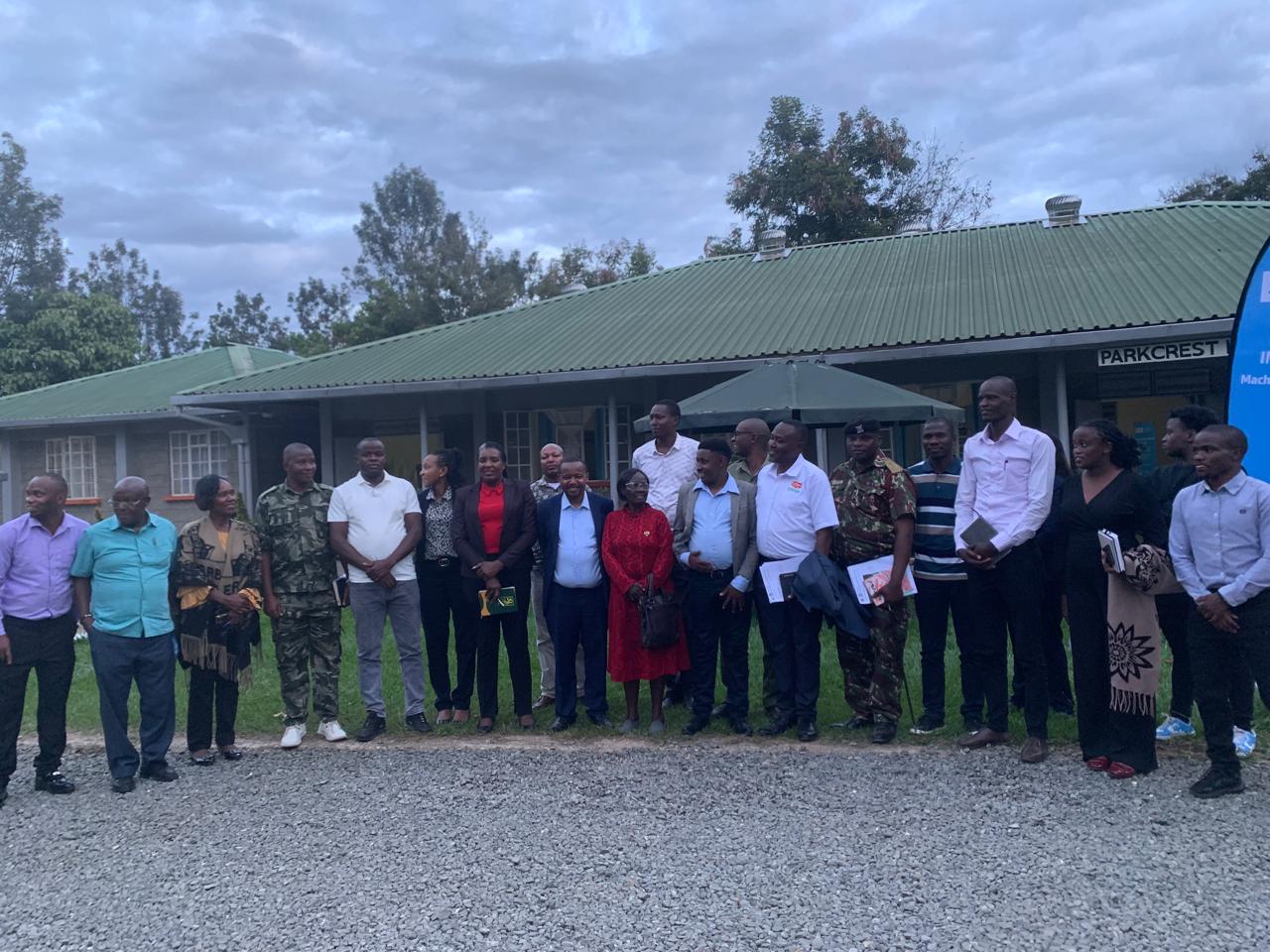
DASK Champions Disability Inclusion at the Kithimani Court Users Committee Meeting in Masii
Masii, Machakos County | 23 September 2026
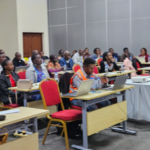
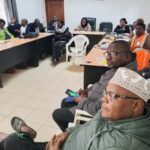
Disability Advocacy and Services Kenya (DASK) took part in the Kithimani Law Court Users Committee (CUC) meeting held on 23rd September 2026 at Tumaini Kilimanjaro Guest House in Masii. The meeting was supported by SHOFCO. It brought together justice sector actors, security agencies, government departments and civil society partners to look at how justice services can reach everyone, including persons with disabilities (PWDs).
Putting disability on the justice agenda
DASK used the forum to highlight gaps that still limit access to justice for persons with disabilities:
- Data collection tools and court forms: Laws such as the Children’s Act are well integrated into court processes. The Persons with Disabilities Act is not yet reflected in the same way in data collection frameworks and court forms. DASK called for this to be corrected.
- Accessibility audit of Machakos County courts: DASK proposed a comprehensive audit of courts in Machakos County. It would identify procedural and physical barriers, review ongoing changes and set priority areas for reform.
- Kenya Sign Language interpretation: DASK confirmed it is ready to provide certified KSL interpreters to courts on request, so Deaf and hard-of-hearing court users can follow and take part in proceedings.
- Genuine representation: DASK submitted recommendations for nominations and participant selection to ensure persons with disabilities are properly represented on committees and in community programmes.
Key resolutions
Priority treatment for PWDs. The committee resolved to extend priority cause listing and fast-tracked hearings to persons with disabilities. These are already granted to elderly litigants and mothers with young children. The aim is to cut delays and physical strain for vulnerable court users.
Support at the Kithimani Registry. The committee reviewed mechanisms to support litigants with special needs at the Kithimani Court Registry. DASK was asked to prepare a written submission on the procedural requirements of PWDs who need specialised assistance.
Firm stance on SGBV and capital offences. The ODPP and the Court reaffirmed that cases of defilement and other capital offences are non-withdrawable. Out-of-court settlements and informal family reconciliations will not be entertained in these matters.
Escalating gaps to national level. Member agencies were asked to identify operational gaps within their mandates and compile reports. These will be escalated, together with CUC minutes, to the National Council on the Administration of Justice (NCAJ). Structured feedback tools will also be developed to track service delivery.
Persons with disabilities in correctional facilities
The committee discussed the rights and conditions of incarcerated PWDs. It called for:
- Disaggregated data on PWDs held in correctional facilities, to enable follow-up and legal aid.
- Standardised reporting on how cases involving mental and cognitive disabilities are handled through trial and detention.
- Disability assessment camps in prisons, organised by the Ministry of Health with correctional authorities, so inmates can obtain formal disability certification and the support that comes with it.
Beyond the courtroom: community protection and livelihoods
Discussions also covered the wider community context:
- GBV prevention and survivor care: Community sensitisation on legal rights and GBV prevention, stronger survivor-centred care across health facilities, court registries and police stations, and trauma-informed training for designated GBV officers. The committee noted that GBV rescue and rehabilitation centres in Masinga remain active, while those in Yatta need strengthening and reactivation.
- Livelihoods and inclusion: Expanding WASH programmes and SACCO financial inclusion, and supporting youth and vulnerable persons to enrol in TVET centres and agricultural ventures.
- Road safety: KeNHA briefed members on road safety training and awareness campaigns along major transport corridors. Members asked for transparency on budget allocations for these activities.
- Community disability census: Partners reported preparations for a disability census in surrounding communities to support accurate planning. Recommendations will be made to security firms such as G4S and other regional employers to prioritise qualified PWDs.
What comes next
DASK will prepare the requested submission on registry support for PWDs. It will also continue to press for the accessibility audit of Machakos County courts and to offer KSL interpretation services to the courts.
“Justice must be accessible to everyone. When courts, prosecutors, police, health providers and communities work together, persons with disabilities are no longer left behind.”
DASK thanks the Kithimani Law Court Users Committee for the space to contribute, and SHOFCO for supporting the meeting.
Photo caption: Members of the Kithimani Law Court Users Committee and partners after the meeting at Tumaini Kilimanjaro Guest House, Masii, 23 September 2026.