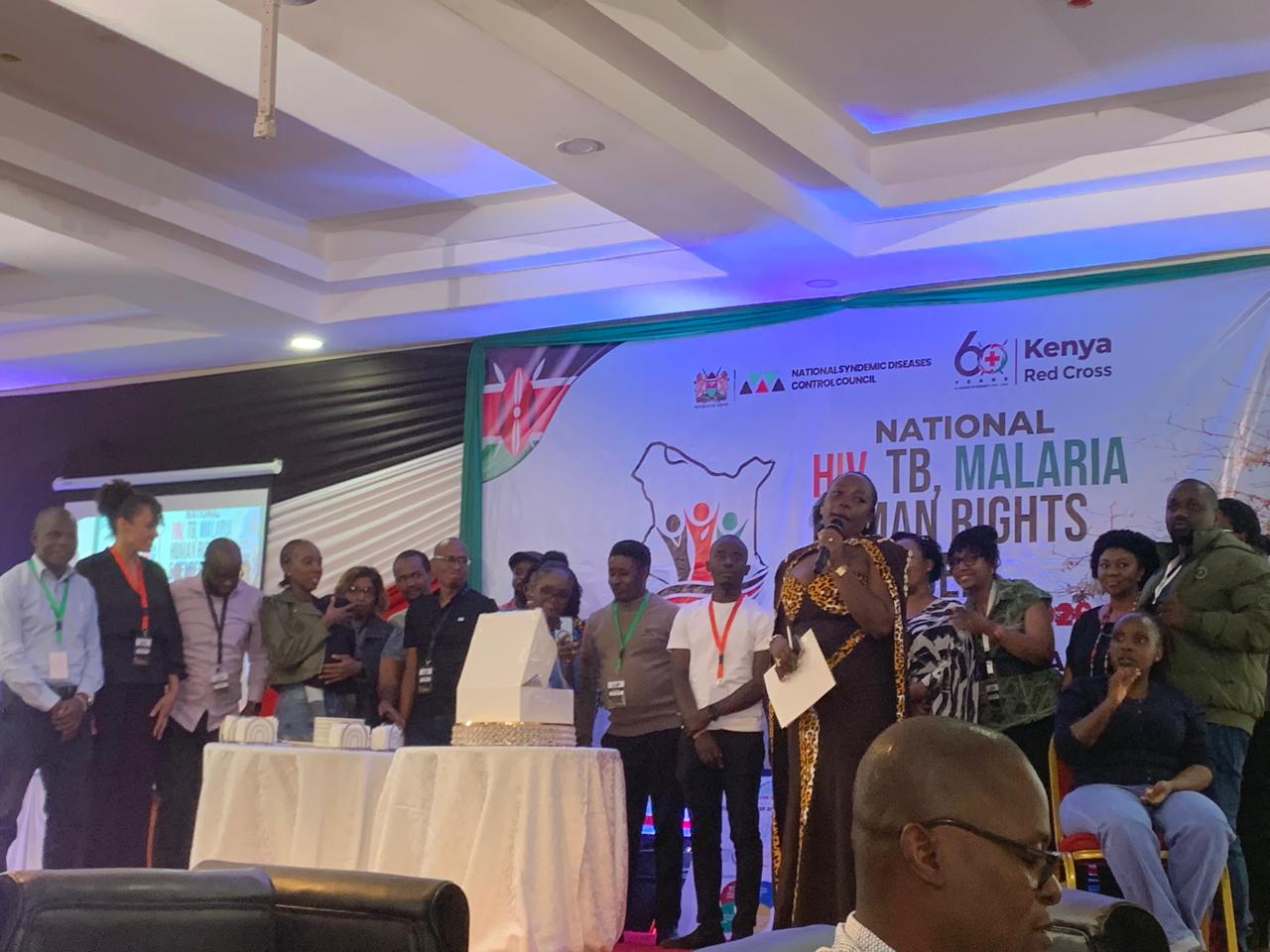
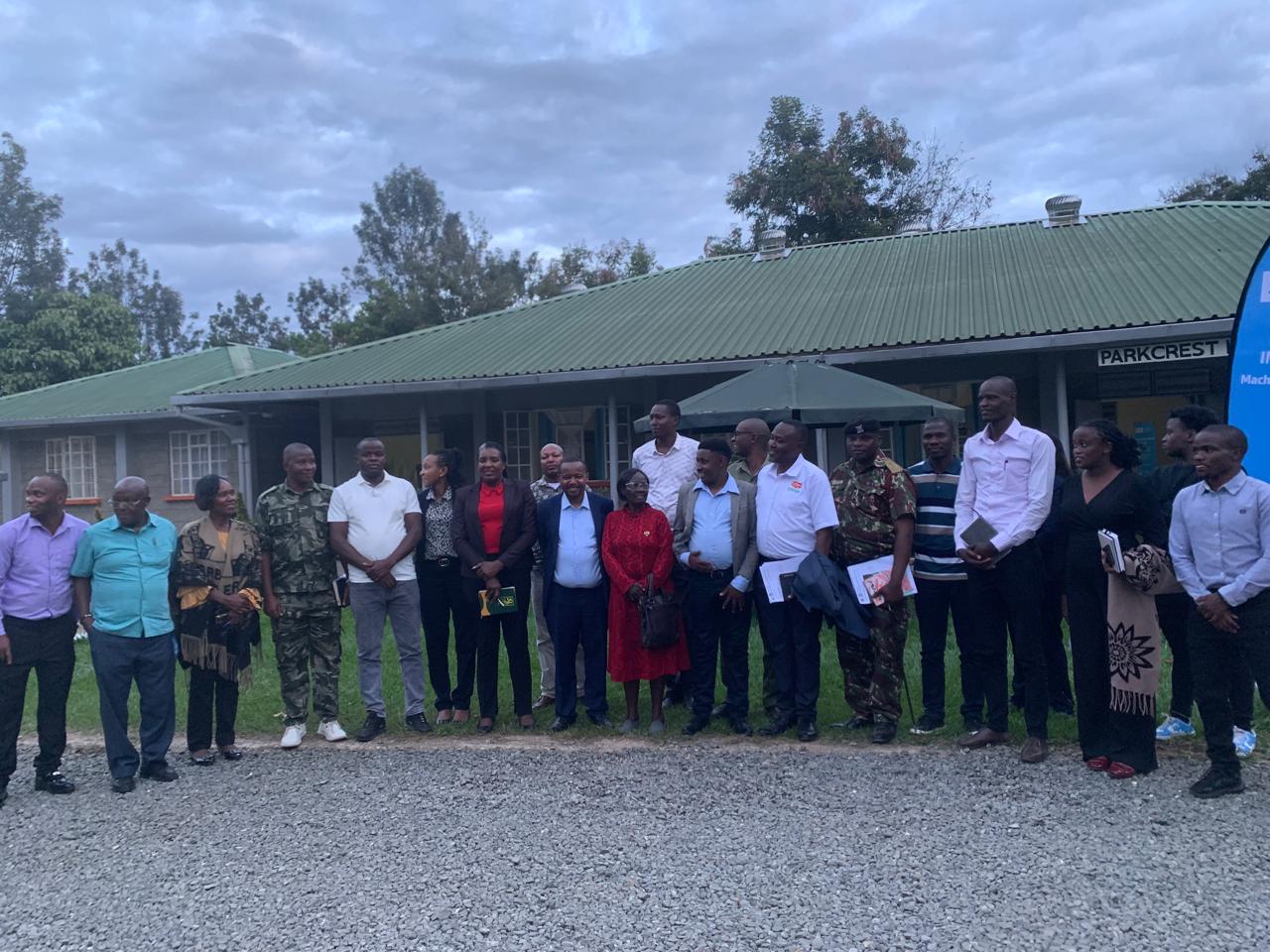
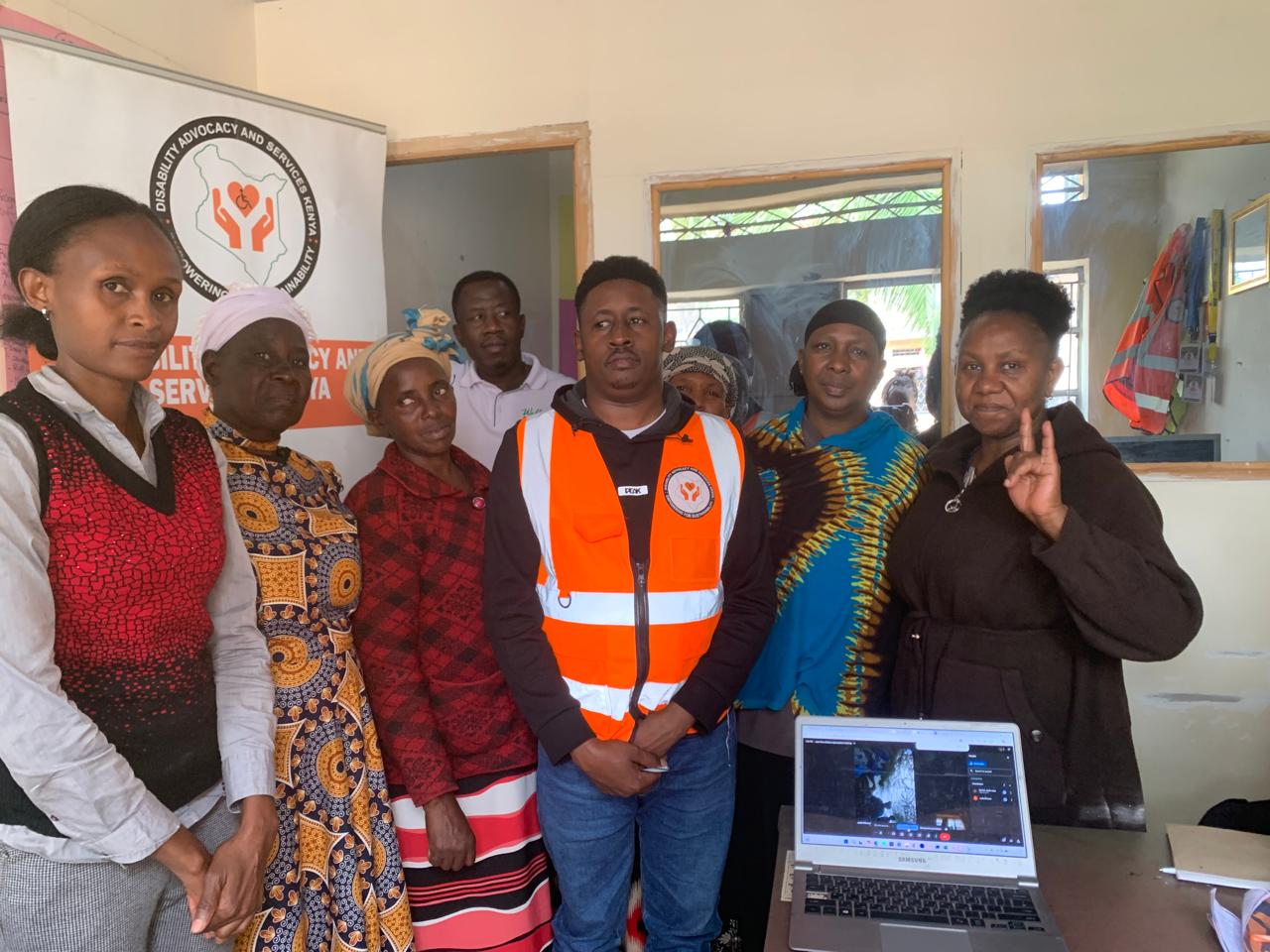
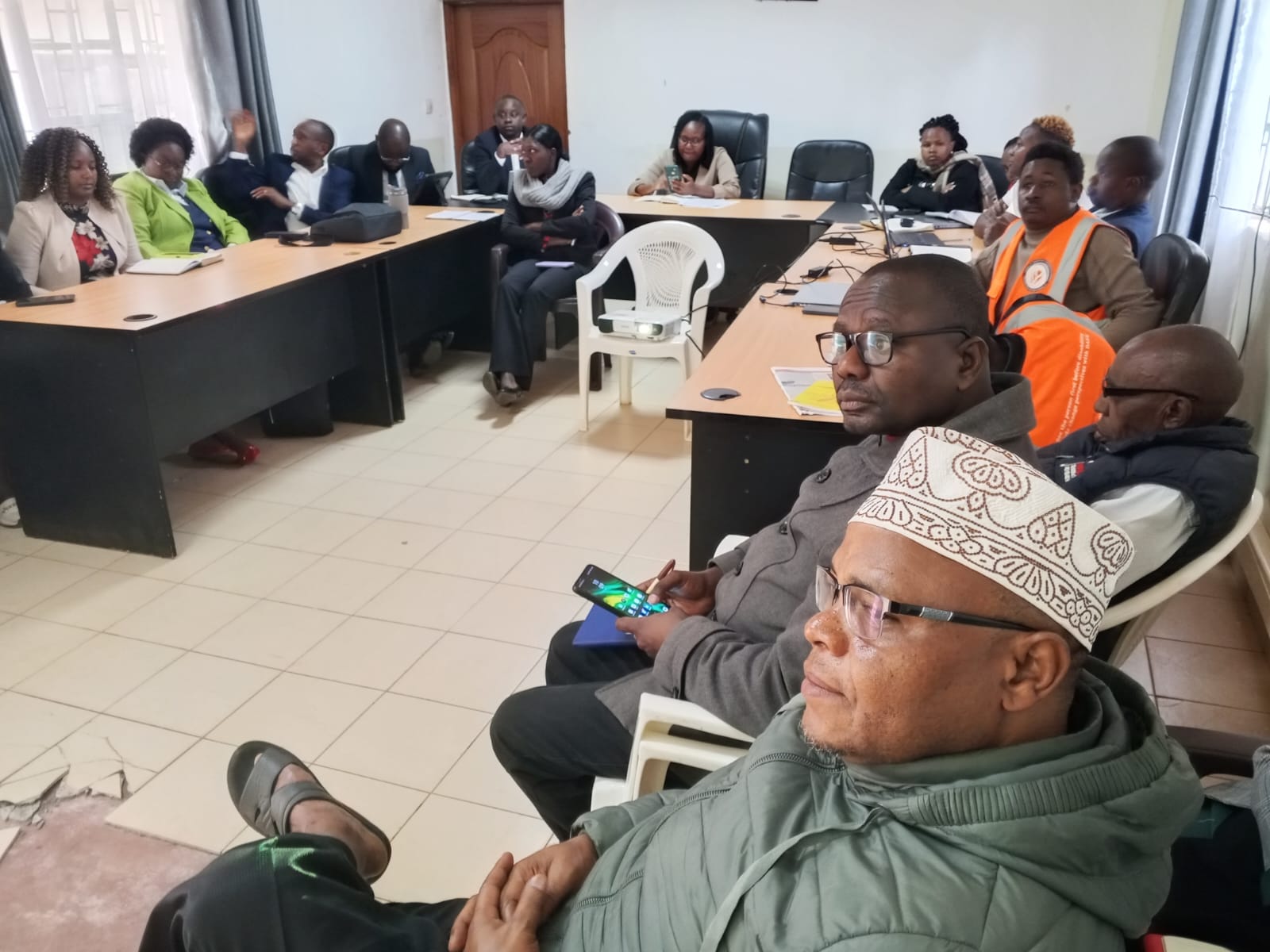
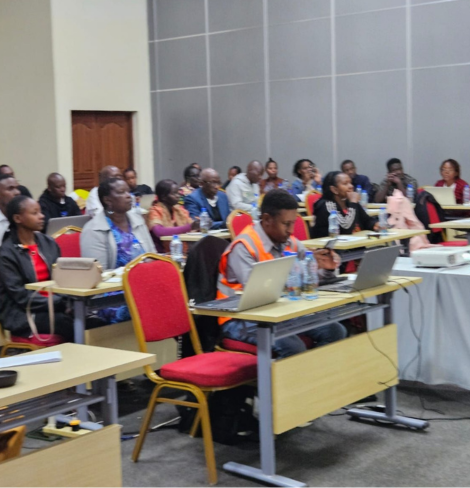
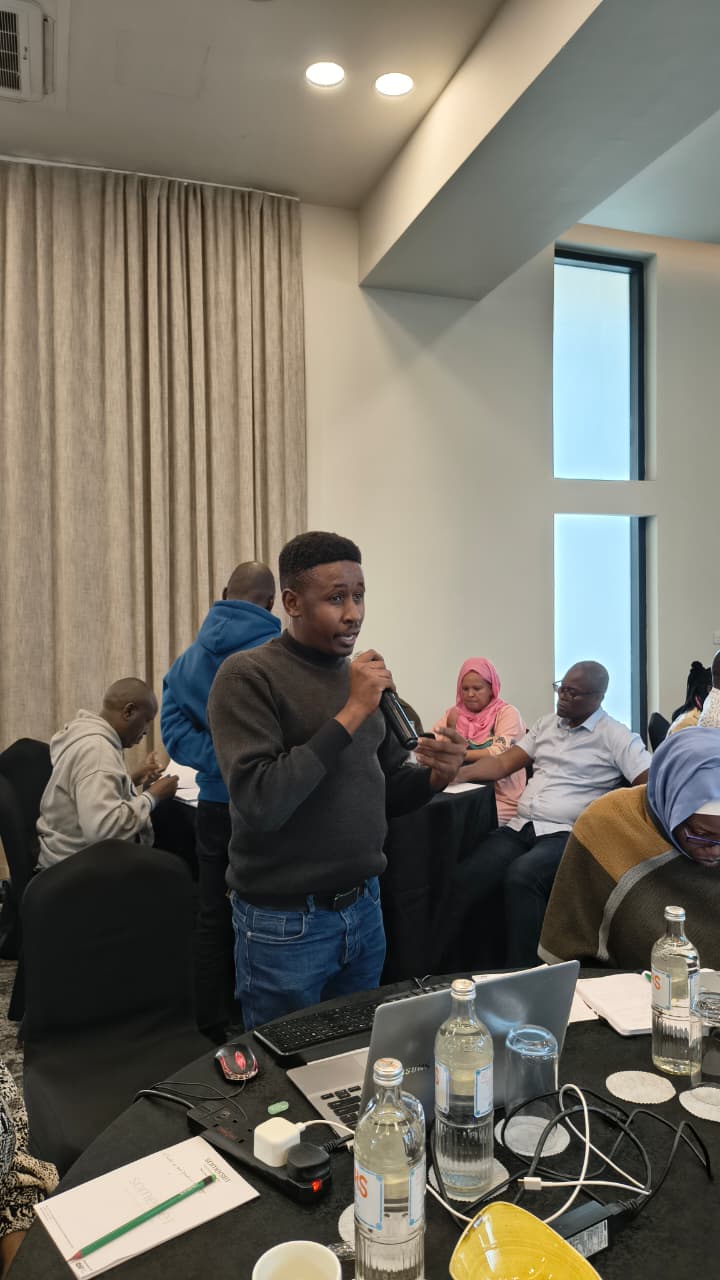
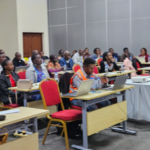
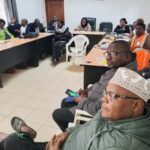
Disability Advocacy and Services Kenya (DASK) has spent the past year running community-led monitoring (CLM) across health facilities in Machakos, training and deploying peer monitors to walk alongside patients, capture their experiences in real time, and route what they hear back to duty-bearers. A year in, the dataset behind that effort 3,741 individual reports collected almost entirely through DASK’s mobile app between October 2025 and September 2026 tells a clear story about where the health system is working, where it is straining, and who is carrying the weight of the gaps.
A System Under Watch, Not Just a Complaints Box
Of the 3,741 reports logged, 2,253 (60%) were complaints and 1,488 (40%) were compliments a reminder that CLM is not only a grievance channel but a genuine feedback loop that also surfaces what facilities are getting right. Compliments were most often directed at the Ministry of Health broadly (339 mentions) and at facilities directly (115), with “service delivery” the single most praised element.
Peer monitors are doing exactly the job DASK designed them for: nearly half of all reports (1,689, or 45%) were filed on behalf of someone else patients who may not have the literacy, device access, confidence, or, in many cases, the physical ability to report for themselves. This is the heart of the model: a monitor standing in a facility, noticing a problem, and giving voice to a patient who would otherwise go unheard.
Where the Pressure Points Are
When complaints are broken down by theme, three areas dominate:
Service delivery 1,004 complaints, the single largest category
Infrastructure 851 complaints
Human resources for health 254 complaints, alongside smaller but significant clusters on social support (136) and human rights and gender (61)
Inside service delivery, the outpatient experience is where most friction shows up. The most common specific complaints were medicines not being available at the pharmacy (85 reports), long waiting times (81), patients being turned away without receiving services (51), and facilities closed during working hours they were expected to be open (45). A further 25 patients said they were asked to buy medicines or supplies outside the facility, and 23 cited high cost of services or drugs. Inpatient complaints were fewer but more severe in nature poor-quality or absent food, being asked to buy supplies like gloves and syringes while admitted, and reports of no available beds.
Infrastructure complaints paint a picture of facilities straining against basic logistics rather than clinical failure: 179 reports flagged no transport for community health workers to reach remote areas, 93 cited insufficient water for sanitation and hygiene, 79 pointed to poor road access (especially in the rains), and 74 described buildings in poor physical condition leaking roofs, damaged walls, unsafe structures. Sanitation facilities came up 52 times, and security concerns tied to a lack of fencing came up 48 times. Notably for DASK’s mandate, 39 reports specifically flagged insufficient accessibility infrastructure ramps and wheelchair access and 16 flagged a broader lack of disability-friendly facilities altogether.
Who Is Being Left Out
Among the reports where the patient’s demographic was captured, the picture skews female (1,087 women vs. 578 men) and young the 25–34 age bracket was the single largest group. Beyond the general population (1,056 reports), the largest identified vulnerable groups were adolescent girls and young women (274), people living with HIV (98), pregnant women (74), and people living with disability (63). Smaller but real numbers came from miners (32), sex workers (21), and other key and priority populations groups that standard facility data collection routinely misses, and that peer monitoring is specifically built to reach.
Is the System Responding?
This is where the data should prompt DASK and its partners to look hardest. Of all cases logged, 36% remain Open, 30% are Acknowledged, and only 29% have been marked Resolved. A further 3% have been Escalated and 1% Validated. In practice, that means roughly two-thirds of everything peer monitors report is still sitting somewhere between “seen” and “fixed.” Only 969 of the 3,741 cases show a named resolver, underlining that closing the loop not just collecting the complaint is the next frontier for the programme.
The Trend Line
Monthly volumes climbed steadily through the reporting period from 53 reports in October 2025 to a peak of 649 in March 2026, before settling into a steady 300–600 reports a month through the middle of the year. That growth is not a sign of a worsening health system so much as a sign of a monitoring system finding its feet: more peer monitors trained, more patients reached, more trust built in the process.
What the Numbers Point To
Taken together, the data makes the case for CLM better than any narrative alone could: peer monitors in Machakos are surfacing real, specific, actionable problems stockouts, transport gaps, understaffed facilities, and accessibility failures from patients, including disabled patients, who would otherwise have no route to being heard. The next test for DASK’s programme is closing the gap between reporting and resolution, so that the 71% of cases still open, acknowledged, or escalated become documented wins rather than a growing backlog.