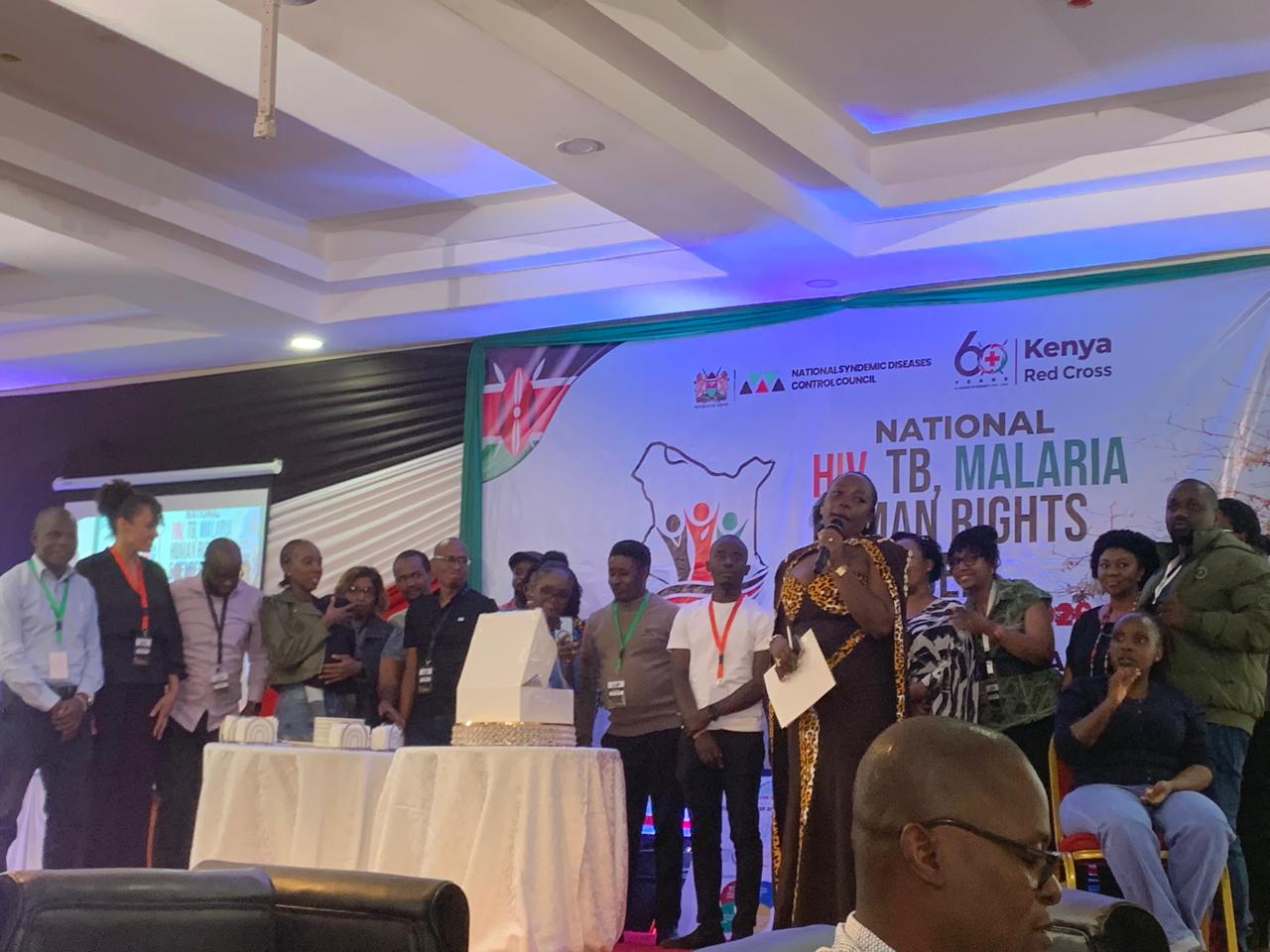
“We Are the Evidence, Show Us the Change”: DASK at the National Health, Human Rights and Gender Conference
Naivasha | 2nd to 4th September 2026
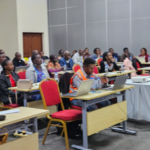
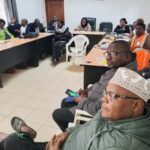
Disability Advocacy and Services Kenya (DASK) took part in the National Health, Human Rights and Gender Conference in Naivasha. Stakeholders, civil society leaders and advocates from all 47 counties gathered under the theme “We Are the Evidence, Show Us the Change.”
Our message throughout the conference was that health services, legal frameworks and public policy will not deliver lasting change unless they are paired with strong human rights protections, community-led monitoring and financing that deliberately includes persons with disabilities. Health is an enforceable human right. It cannot be separated from physical, communication and economic access.
Health equity starts with the people being left behind
Our community work shows that services built around health facilities keep missing the most vulnerable. DASK called for outreach that is safe, private, dignified and gender-sensitive.
- Tuberculosis: TB drugs are free in public facilities, but transport, diagnostic fees and nutrition during treatment still put care out of reach for many families. Gender roles delay men and boys from seeking care, and caregiving duties make it harder for women to stay on treatment.
- Malaria: Responses must reach pregnant women, children under five and outdoor workers, who face the greatest exposure.
- HIV and key populations: Stigma, discrimination and punitive attitudes still keep key populations and adolescent girls away from testing, PEP and PrEP. We called for non-judgmental, youth-friendly and fully accessible services in every primary health facility.
Disability inclusion must be the standard
DASK Executive Director Festus Mwanza led our delegation in pushing for disability rights to be a core, non-negotiable part of every health and human rights programme. We raised these gaps:
- Communication access: Most public facilities have no Braille materials, Easy-Read formats or qualified sign language interpreters. Without them, persons with disabilities cannot exercise privacy, bodily autonomy or informed consent.
- Physical access: Inaccessible transport, missing ramps, unsuitable diagnostic equipment and fixed-height examination beds shut persons with disabilities out of health facilities and decision-making spaces.
- Women and girls with disabilities: They face up to three times the risk of gender-based violence and are too often denied timely emergency care, including PEP within the critical 72-hour window.
- Civic and legal rights: Visually impaired citizens lack tactile ballot guides and secret voting, and accessible, affordable legal aid remains scarce.
Strategic litigation: “A right considered inaccessible is not finished”
DASK highlighted strategic litigation as a way to dismantle systemic discrimination and bring practice in line with constitutional and international standards. We stressed that:
- Litigation must be owned by affected communities and backed by careful preparation and sustained advocacy after judgment.
- Judicial accommodations, such as court interpreters for Deaf users, must be enforced at every court station.
- The judiciary should apply pauper proceedings systematically so that court fees never block indigent persons with disabilities from seeking justice.
Nothing About Us Without Us
Accountability means persons with disabilities leading the evaluation of services that affect their lives. DASK called for:
- Co-creation from the start, with persons with disabilities involved at the design stage and not asked for token feedback on finished plans.
- Plain language, so that medical and legal jargon does not exclude communities.
- Grassroots protection models, such as a disability-sensitised Nyumba Kumi approach, to spot, report and prevent rights violations at household level.
Our priorities going forward
DASK will champion and monitor action on three fronts:
- Default inclusion in healthcare, meaning accessible facilities, equipment and health communication as standard.
- Global Fund Grant Cycle 8 (GC8), with strategic litigation, disability advocacy and community-led monitoring explicitly budgeted.
- Social Health Authority (SHA) reform, so the benefit package covers accessible, non-judgmental HIV, TB and malaria services and rehabilitative care at no out-of-pocket cost to persons with disabilities.
The evidence is in our communities, and DASK will keep working to make sure it leads to change.